
New Garage Door Installation in Cincinnati
A new garage door is priced by size first, then construction — uninsulated single-layer steel, insulated double-layer, or triple-layer with a steel back skin — then windows, hardware and whether the opening needs reframing. We go through those choices with you before anything is ordered. The installation itself takes most of a day: the old door comes out, new track and hardware go in, the new sections are hung and sealed, and the springs are set to the new door's weight. The single most important decision for a Cincinnati home is insulation: if the garage is attached to living space, an insulated door is worth the difference, and if it is a detached garage, it usually is not.
Most homeowners replace a garage door for one of three reasons: the old one rusted through at the bottom, it was damaged beyond sensible repair, or the front of the house needed it. All three are legitimate, and the third is not vanity — the garage door is often the largest single visual element on a Cincinnati street facade.
Sizing is not usually a free choice. Standard single doors are 8 or 9 feet wide by 7 feet tall, and standard doubles are 16 by 7. Older detached garages in the Cincinnati basin, Covington and Newport frequently have narrower or shorter openings than anything currently stocked, which is where the job gets more involved.
Free 21-point garage door safety inspection
We check all 21 points, hand you the written findings, and tell you what does not need fixing. There is no charge and no obligation to book work.
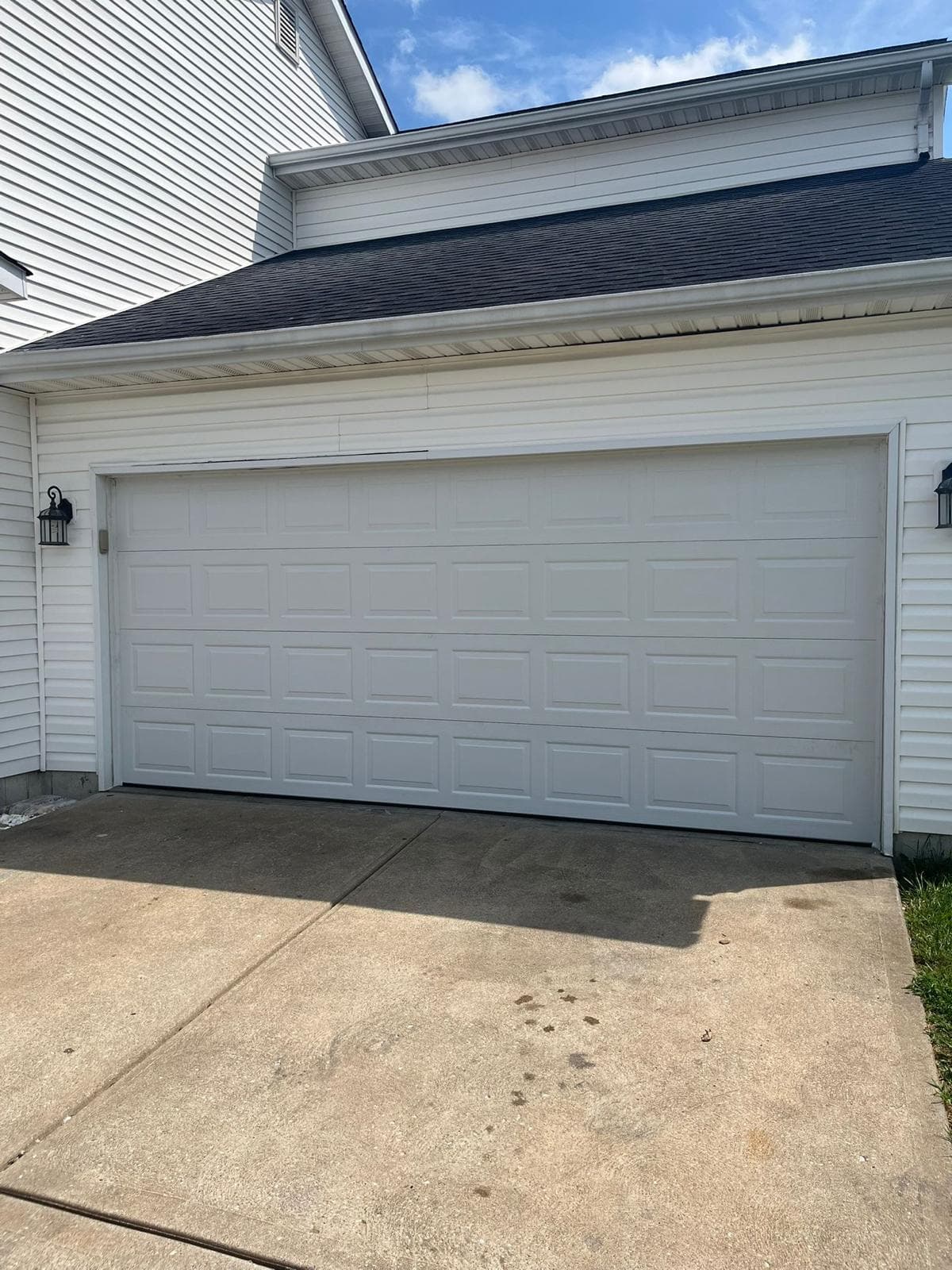
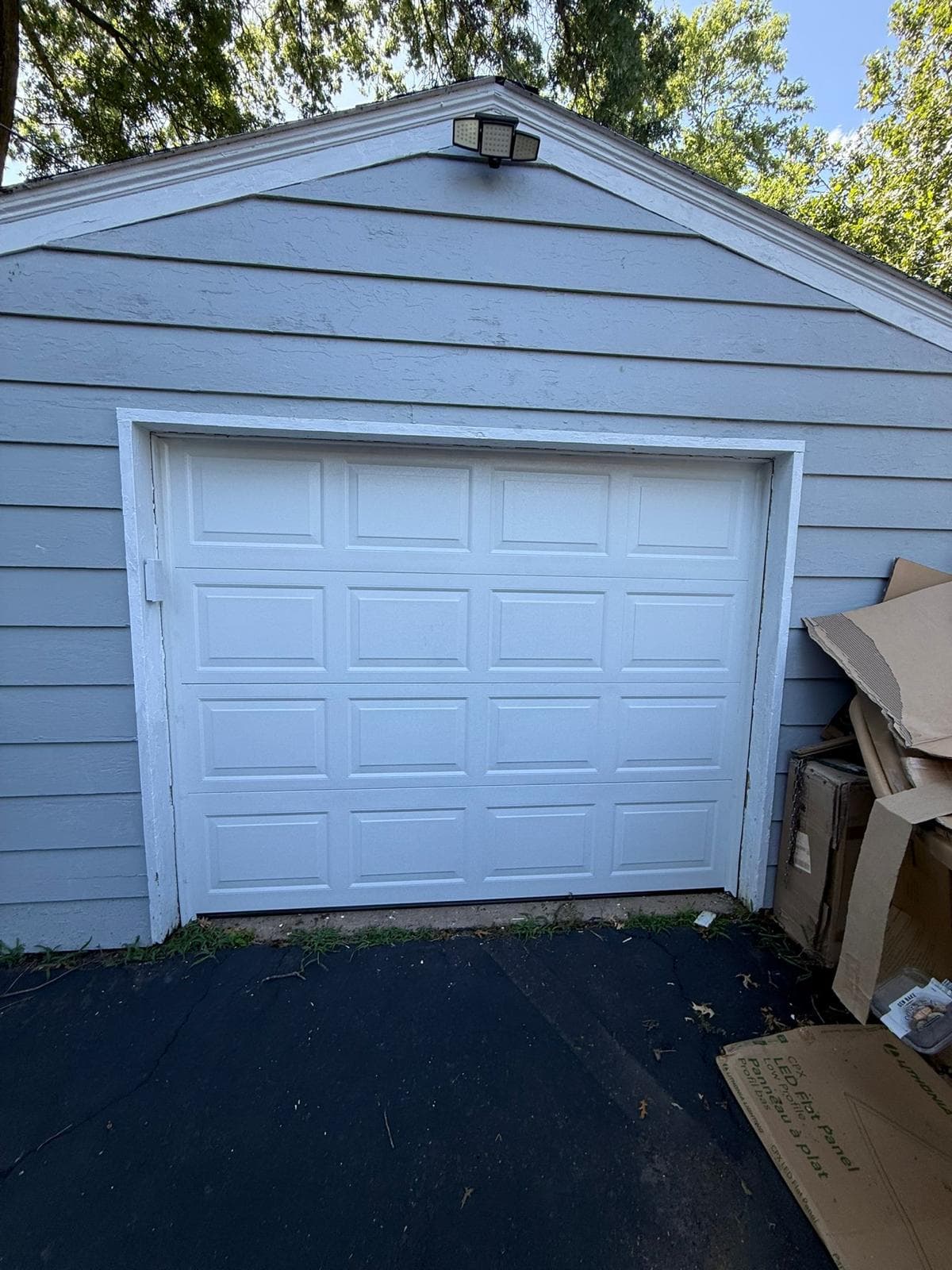
Signs to look for
How do I know this is the problem?
- The bottom section has rusted through
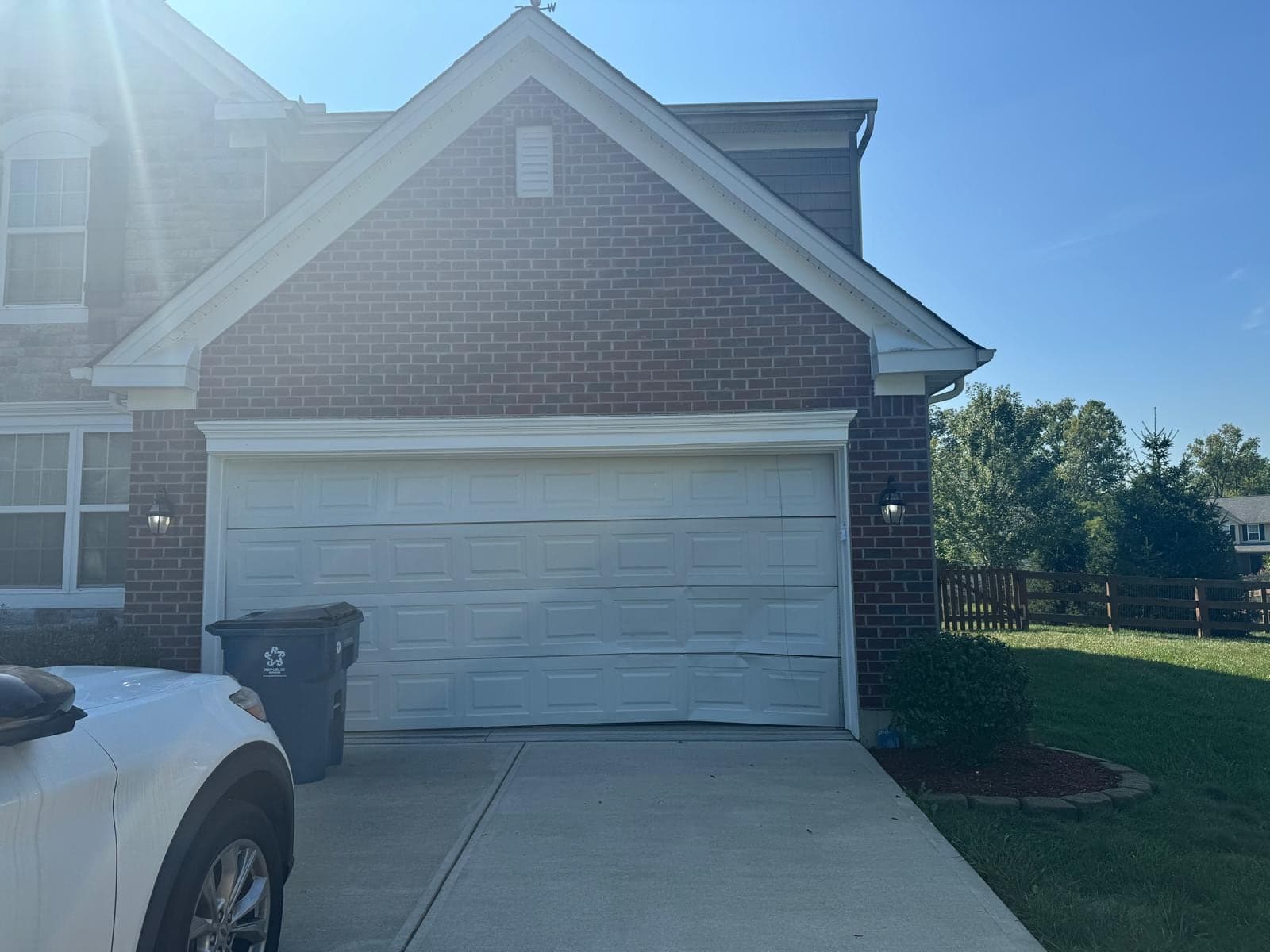
- Multiple panels are dented or creased
- The door is uninsulated and the garage is attached to the house
- Repair costs are approaching the cost of replacement
- The door is wood and has begun to rot or delaminate
- You are selling and the door is letting the front of the house down
- The door has no current safety hardware and predates 1993
What happens
What we actually do
- 1
Measure the opening properly
Width, height, headroom above the opening, backroom into the garage, and sideroom either side. Low-headroom openings are common on older Cincinnati garages and need a specific track configuration.
- 2
Choose construction before choosing looks
Insulated or not, and what steel gauge. Attached garage means insulated is worth it; detached and unheated usually does not justify the difference.
- 3
Remove the old door and hardware
Including safe release of the existing spring tension, which is the part of a DIY door swap that most often goes wrong.
- 4
Fit new track, sections, and spring system
Springs are sized to the new door's actual weight. A new door on the old door's springs is unbalanced from day one and wears the opener out early.
- 5
Seal, balance, and run the safety test
Bottom seal, perimeter weatherstrip, balance check, opener force and travel settings, and a live reversal test before we leave.
Cost
What drives the price of a new garage door
Size first, then construction: uninsulated single-layer steel, double-layer with insulation, or triple-layer with a steel back skin. After that, window sections, hardware style, whether the opening needs reframing, and whether the existing spring system suits the new door's weight. An insulated door is heavier and often needs different springs.
Free 21-point garage door safety inspection
From our jobs
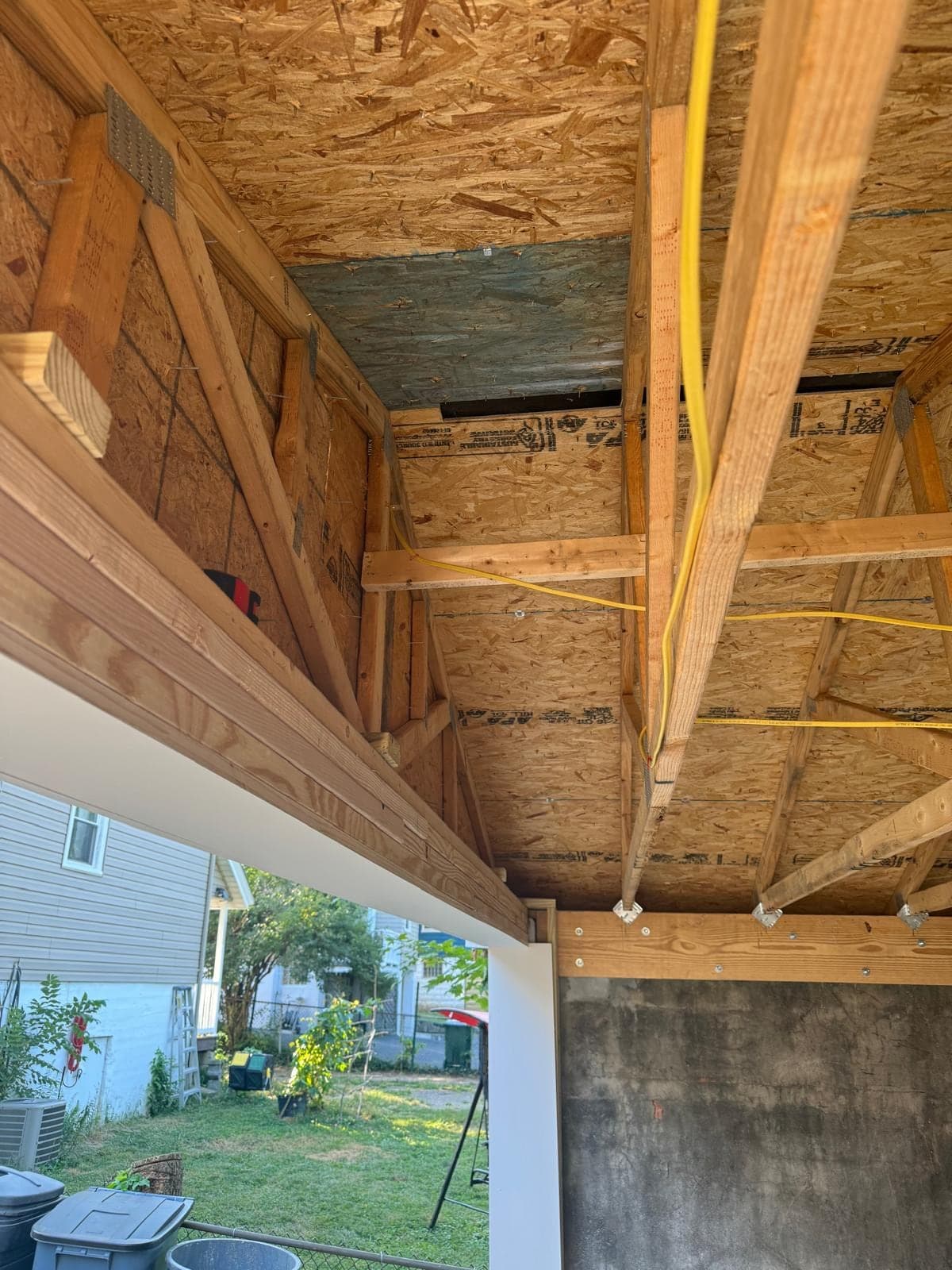
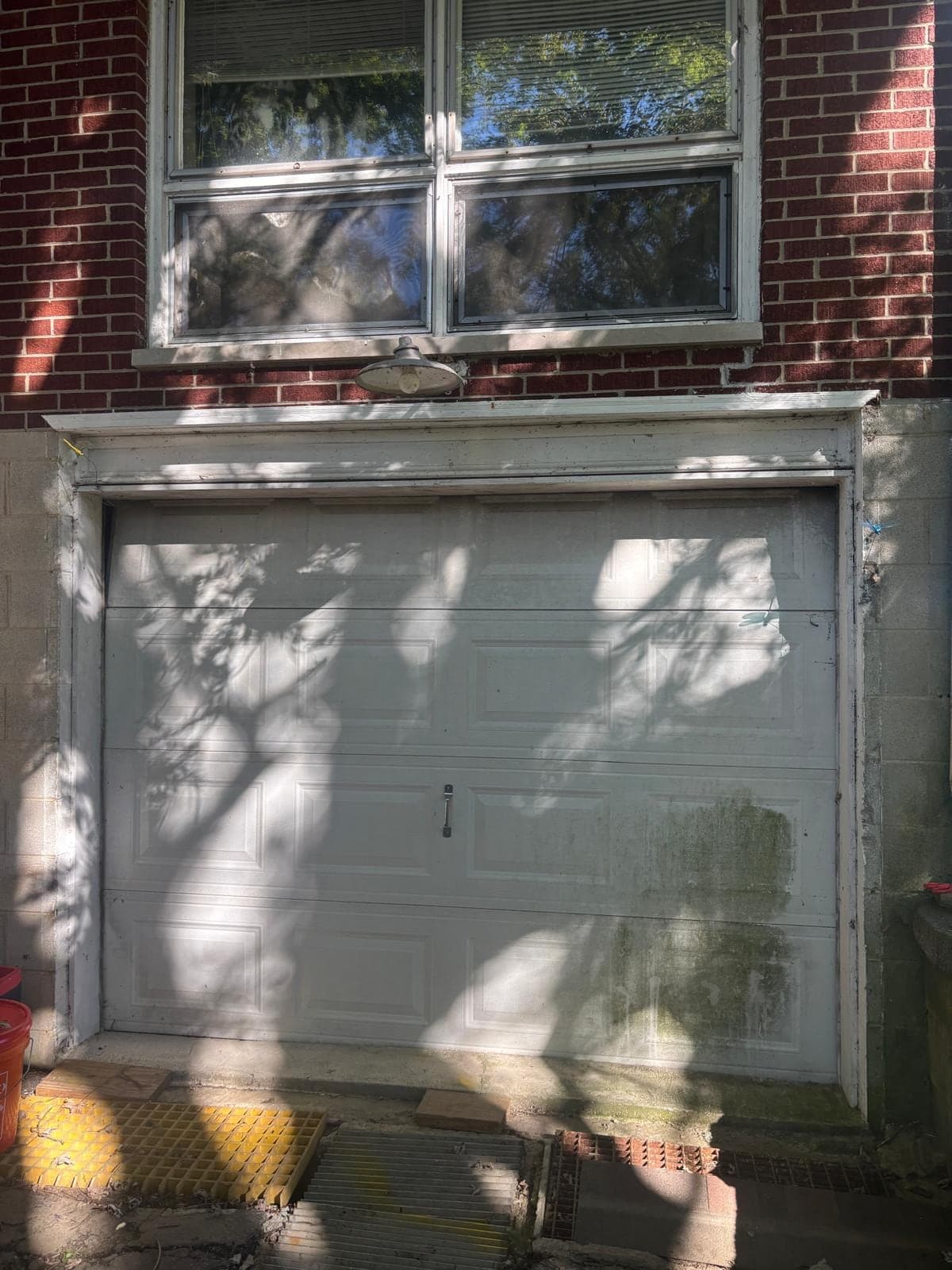
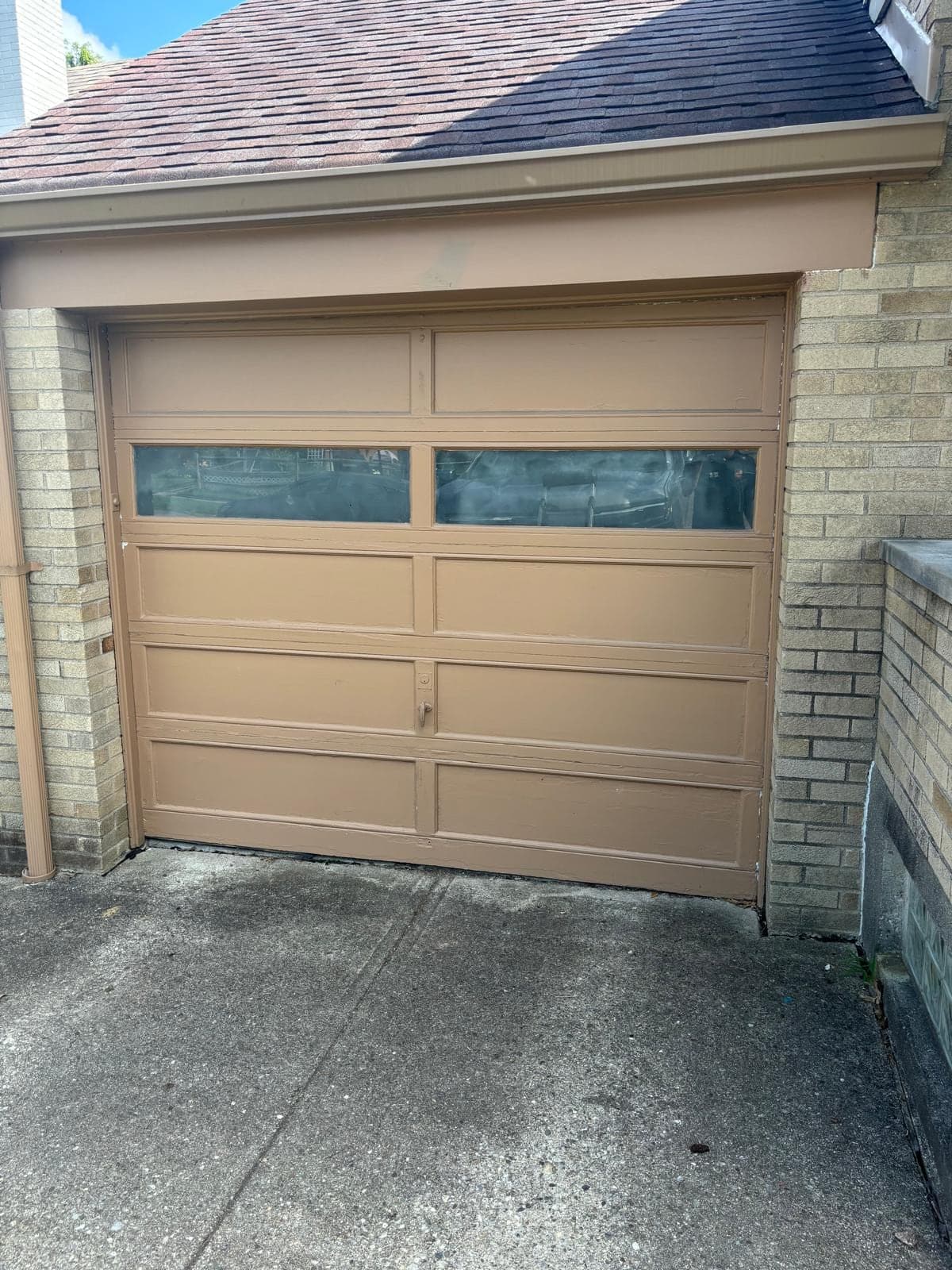
Door installation photos from real visits
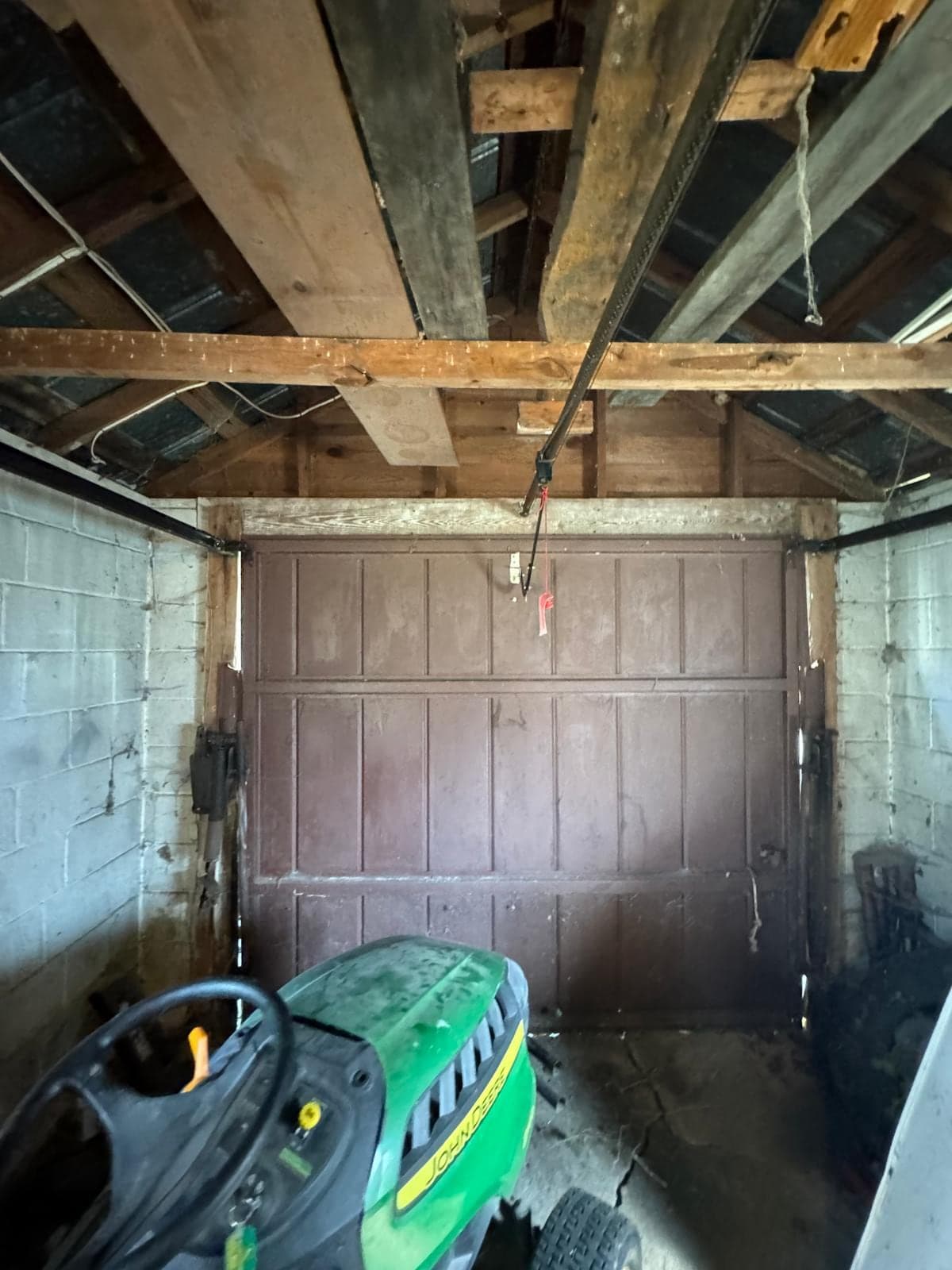
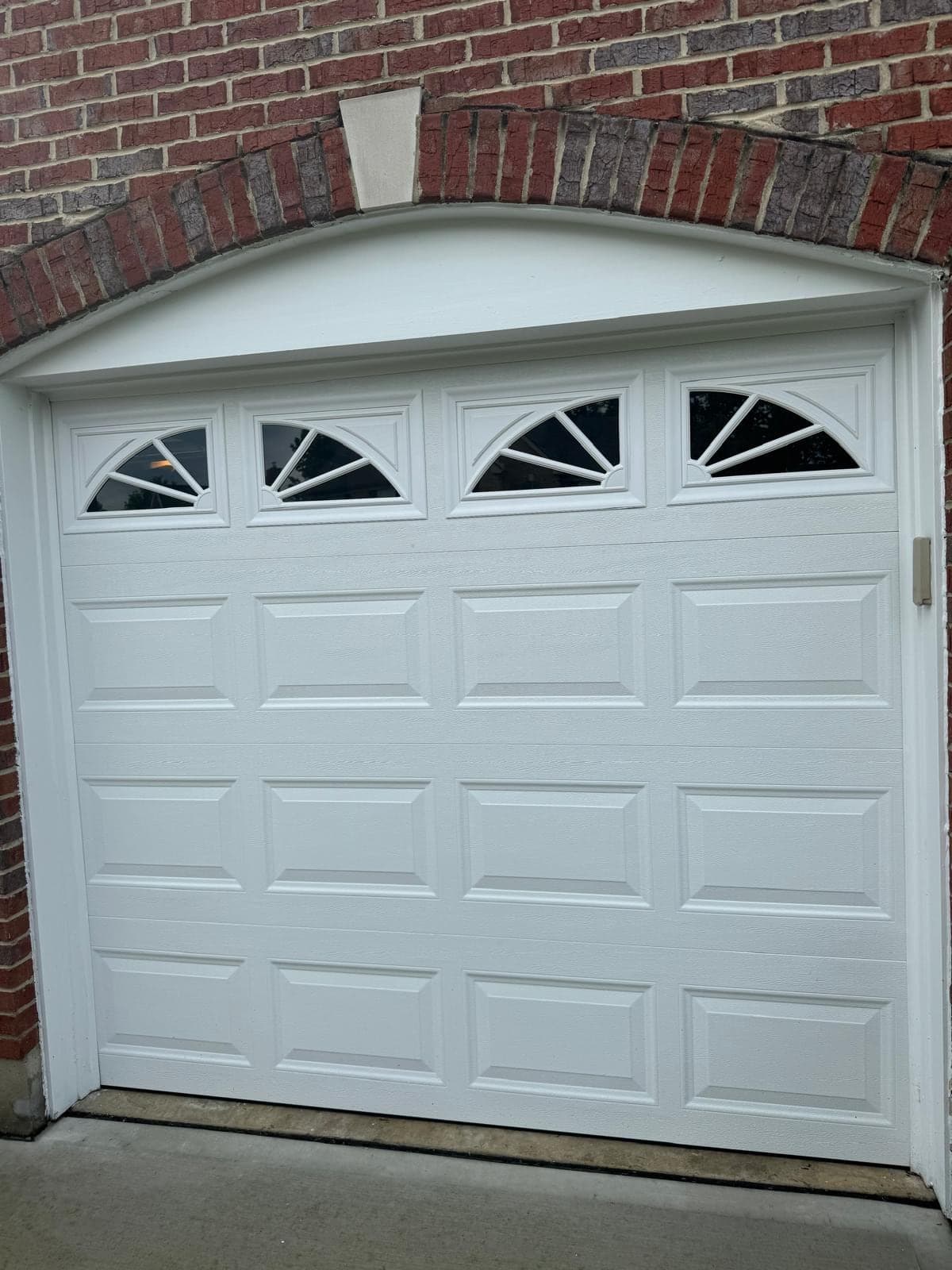
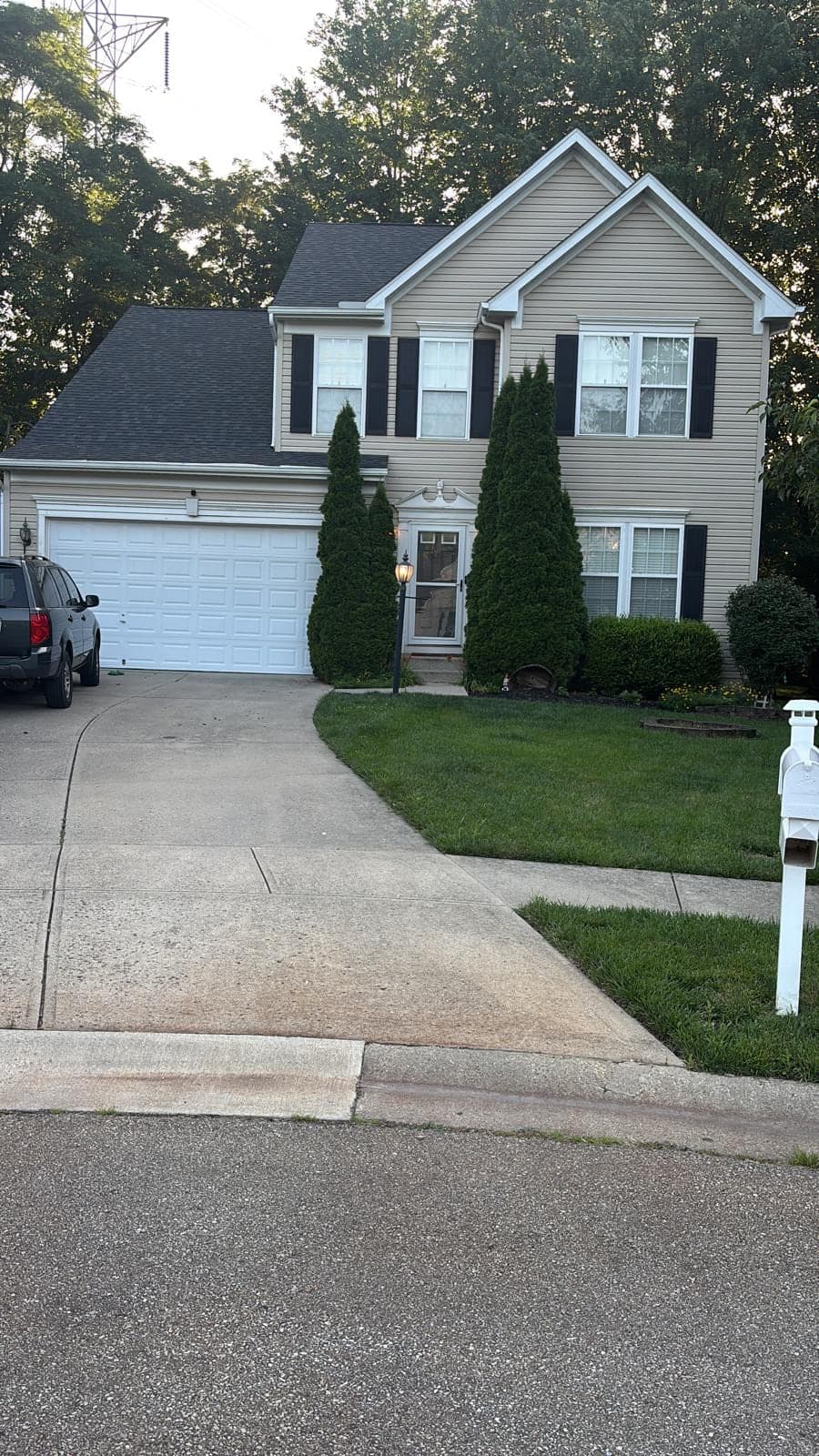
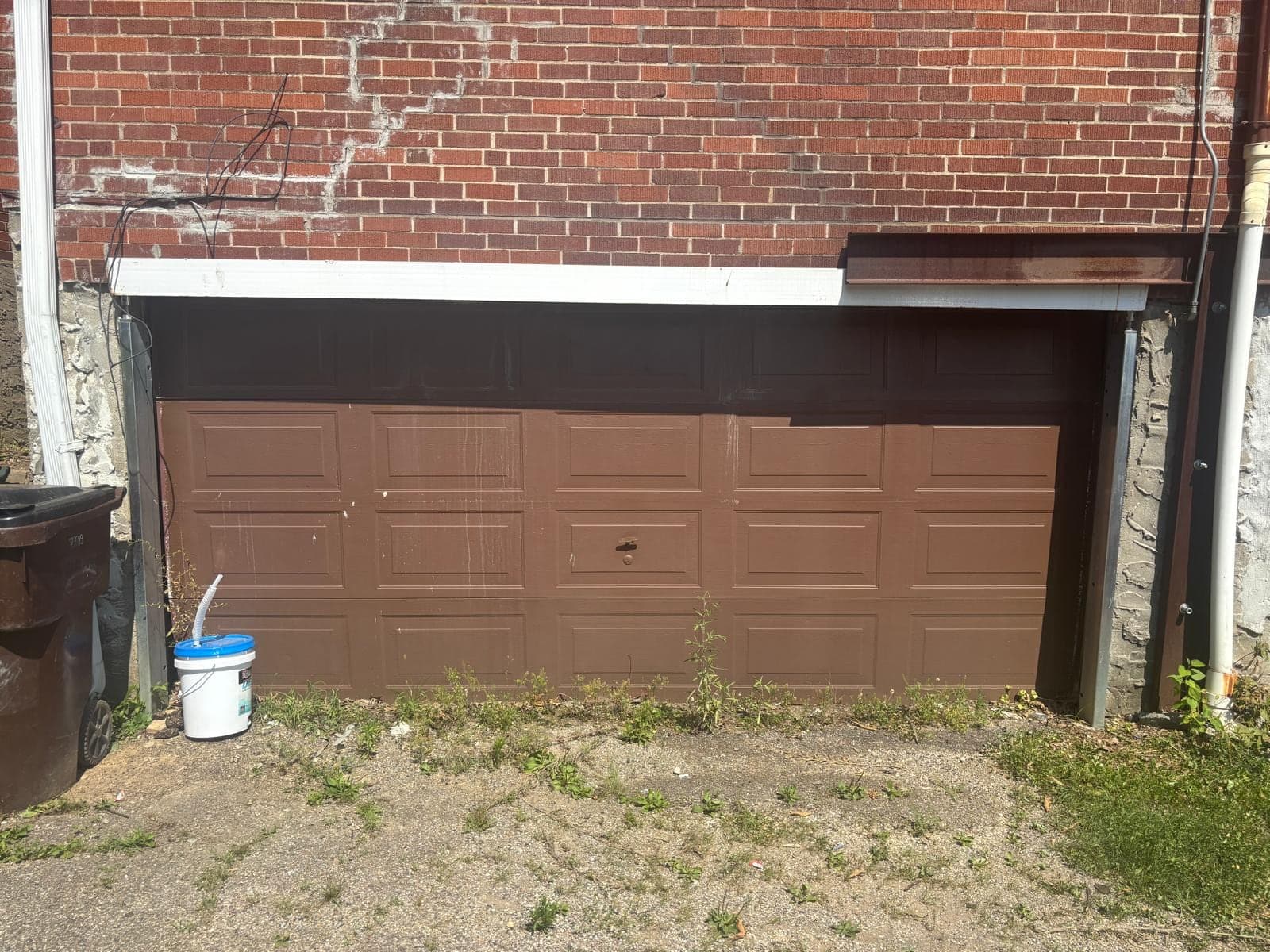
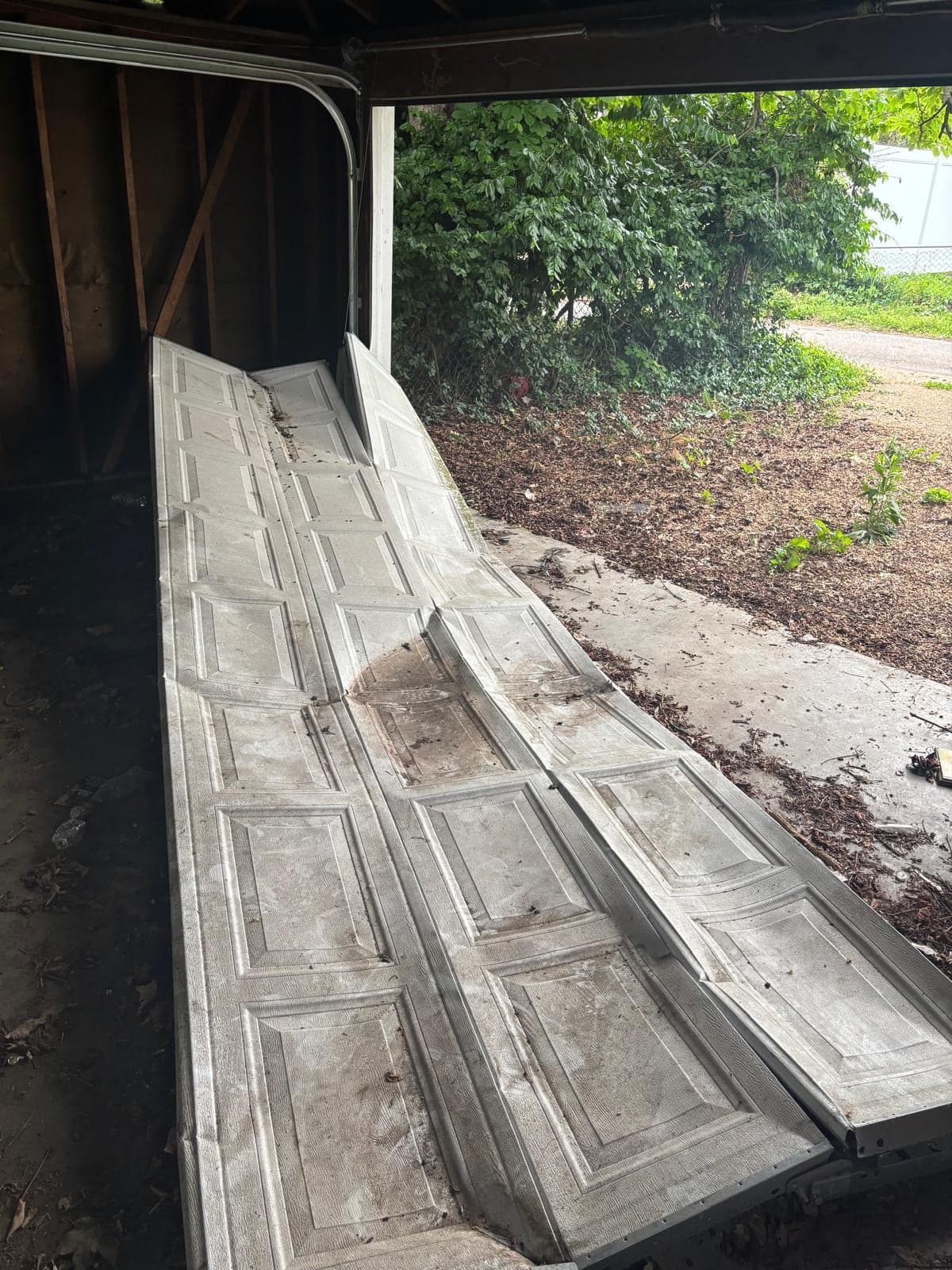
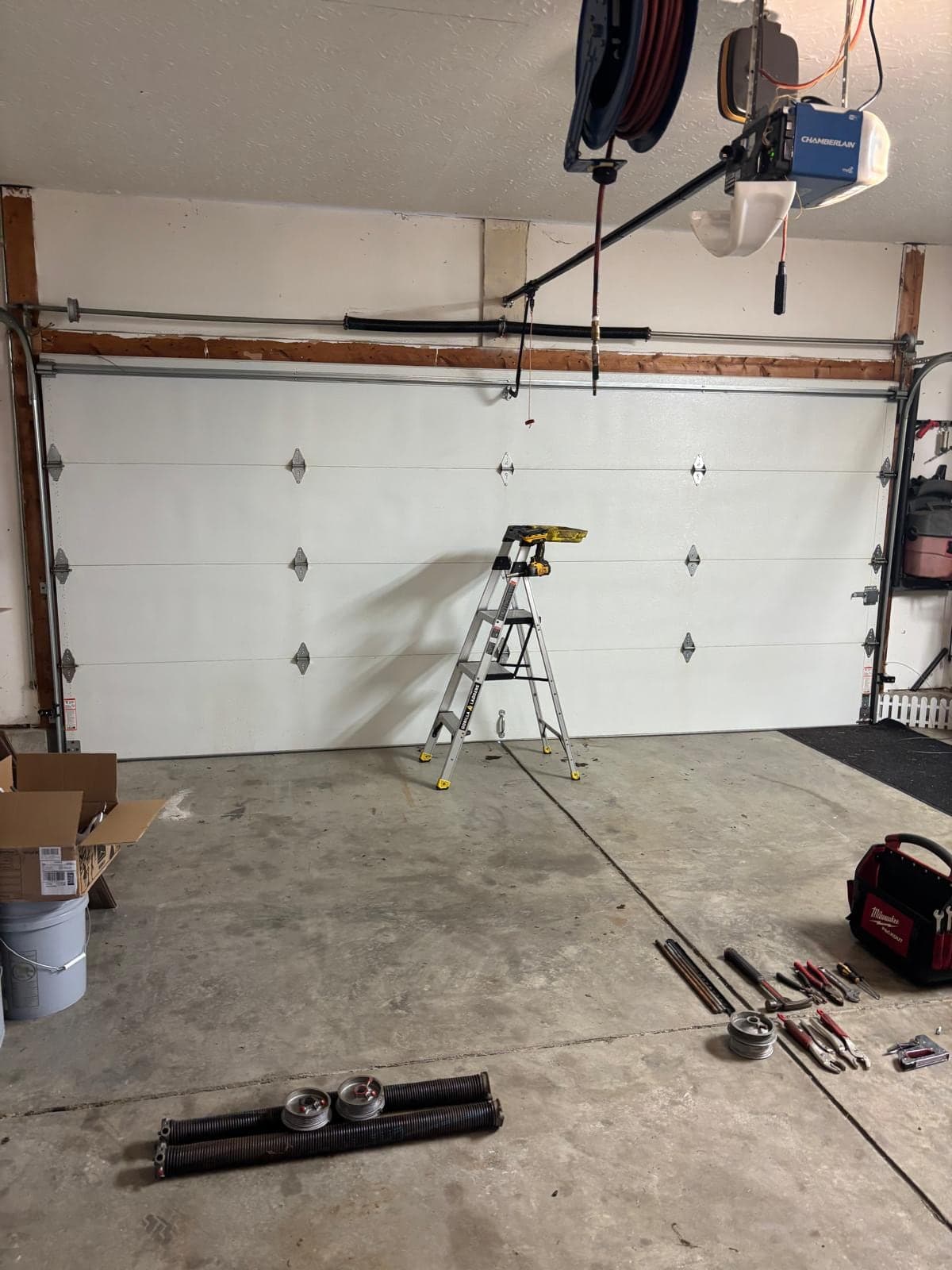
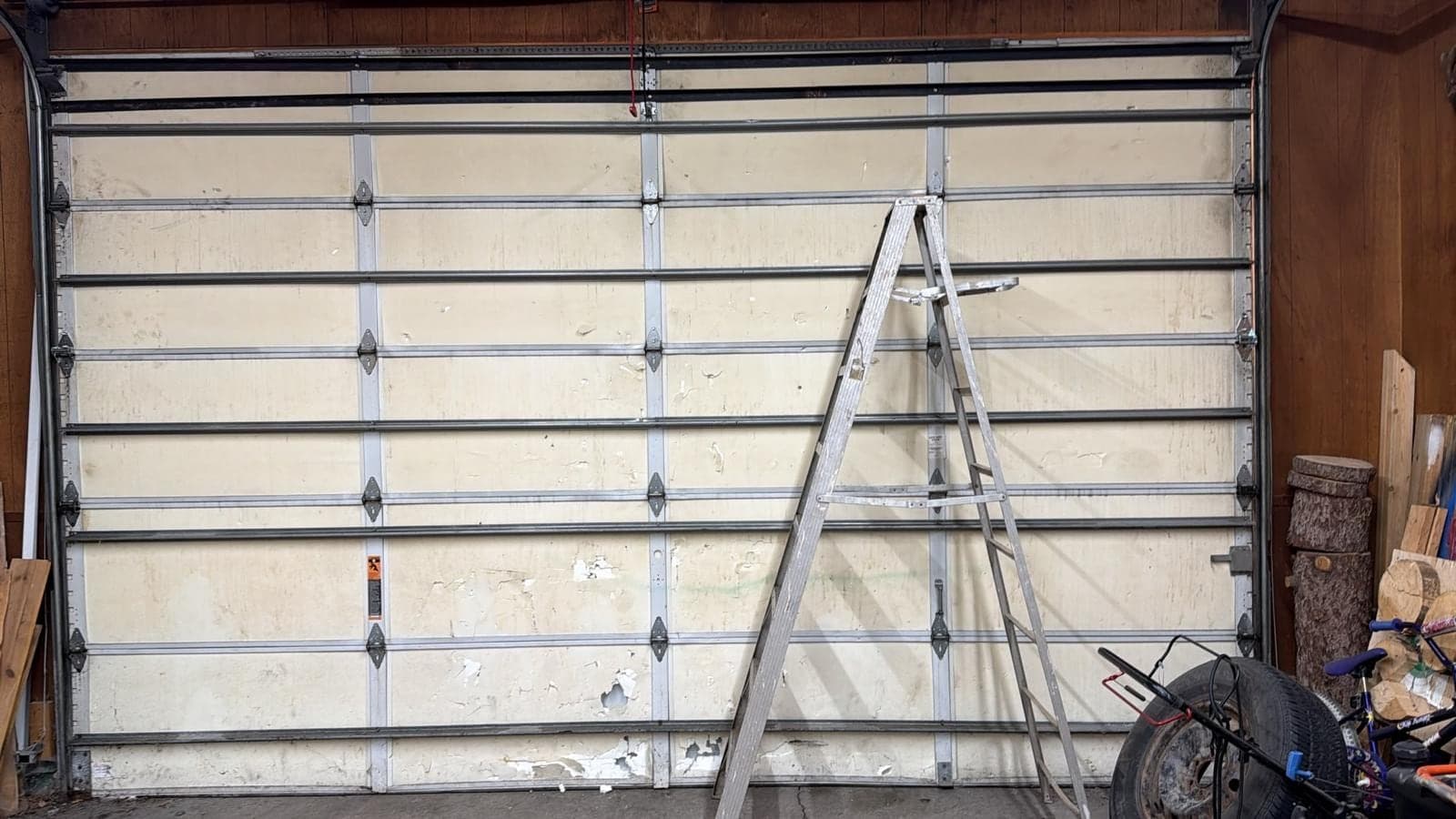
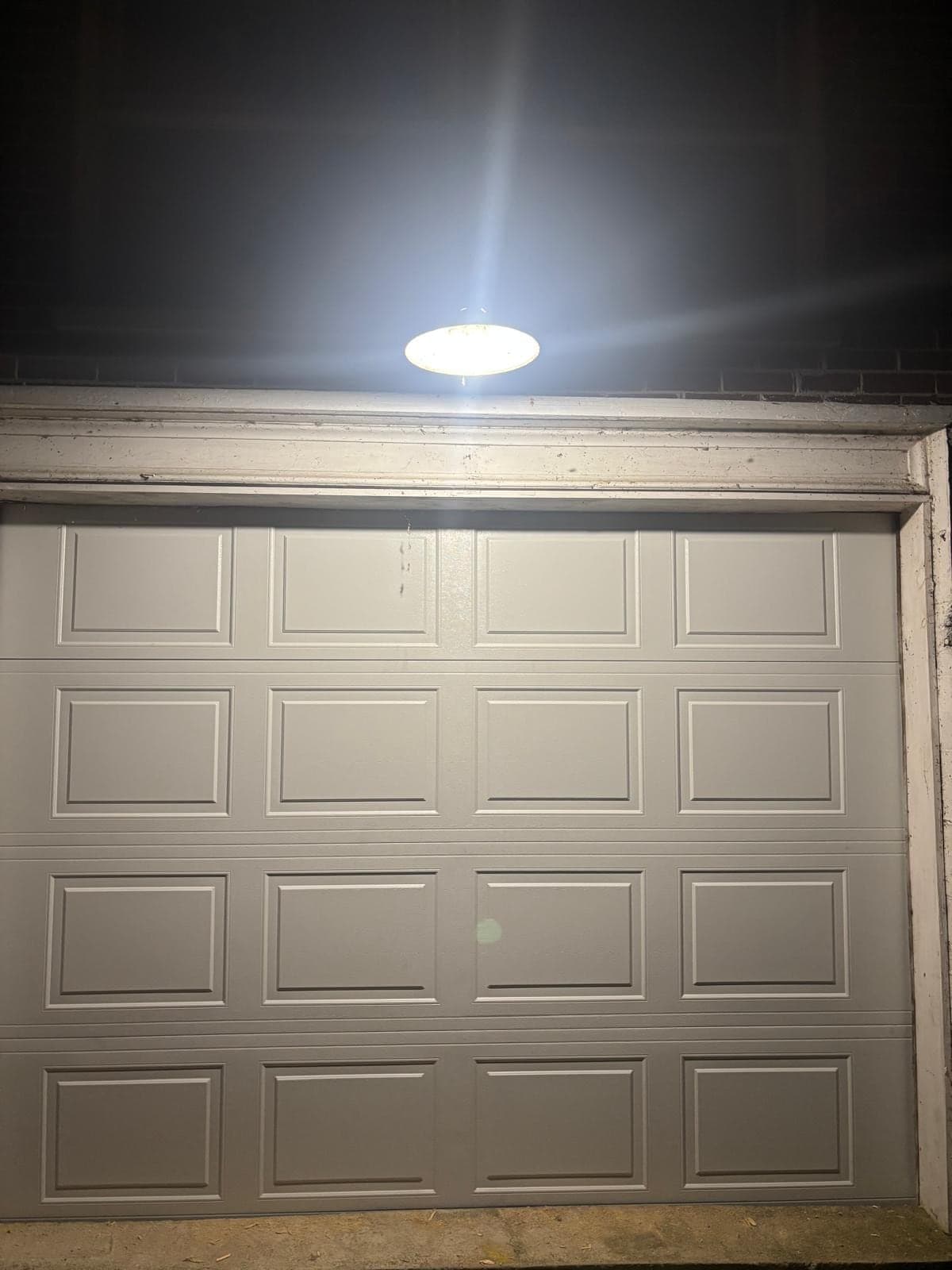
Phone-camera photos from PowerLift jobs around Greater Cincinnati and Northern Kentucky. Nothing staged, nothing borrowed.
Worth knowing
Why this matters
Insulation on an attached garage does more than hold heat in the garage itself. A large share of Cincinnati homes have rooms directly above or beside the garage, and an uninsulated door is a large uninsulated wall on that room. R-value is the number to compare, and it should be quoted for the whole door rather than for the insulation material alone.
Questions
Door installation questions we get asked
How long does a new garage door installation take?
A standard single or double door replacement is usually most of a day. Jobs that need the opening reframed, or that involve a low-headroom track conversion, can run longer.
Do I need an insulated garage door in Cincinnati?
If the garage is attached to the house — and especially if there is a room above or beside it — yes, it is worth the difference. Cincinnati has genuine winters and genuinely humid summers, and an uninsulated door on an attached garage is a large gap in the building envelope. On an unheated detached garage, the payback is much weaker.
Can I keep my existing garage door opener?
Often, yes, if the opener is in good condition and has working photo-eye sensors. What matters is that the new door's weight is within the opener's rating — an insulated door is heavier than the uninsulated one it replaced, and that is worth checking rather than assuming.
What size garage door do I need?
Standard singles are 8x7 or 9x7 feet and standard doubles are 16x7. Older detached garages around the Cincinnati basin, Covington and Newport were often built for narrower openings and smaller cars, and those need either a custom door or reframing.
What is a low-headroom track and do I need one?
Standard track needs roughly 12 inches of clearance between the top of the opening and the ceiling. Plenty of older Cincinnati garages have less. A low-headroom kit uses a double horizontal track and a modified drum setup to fit in as little as around 6 inches. It is a normal solution, not a compromise.
How long should a new garage door last?
The door itself, fifteen to thirty years depending on construction and exposure. The wearing parts — springs, cables, rollers — will need attention several times over that period, which is normal and inexpensive relative to the door.
Where
Door installation across the Cincinnati metro
Need door installation in Cincinnati?
We are open 24 hours across Greater Cincinnati and Northern Kentucky. Call (513) 276-2503 and the free 21-point safety inspection costs nothing.